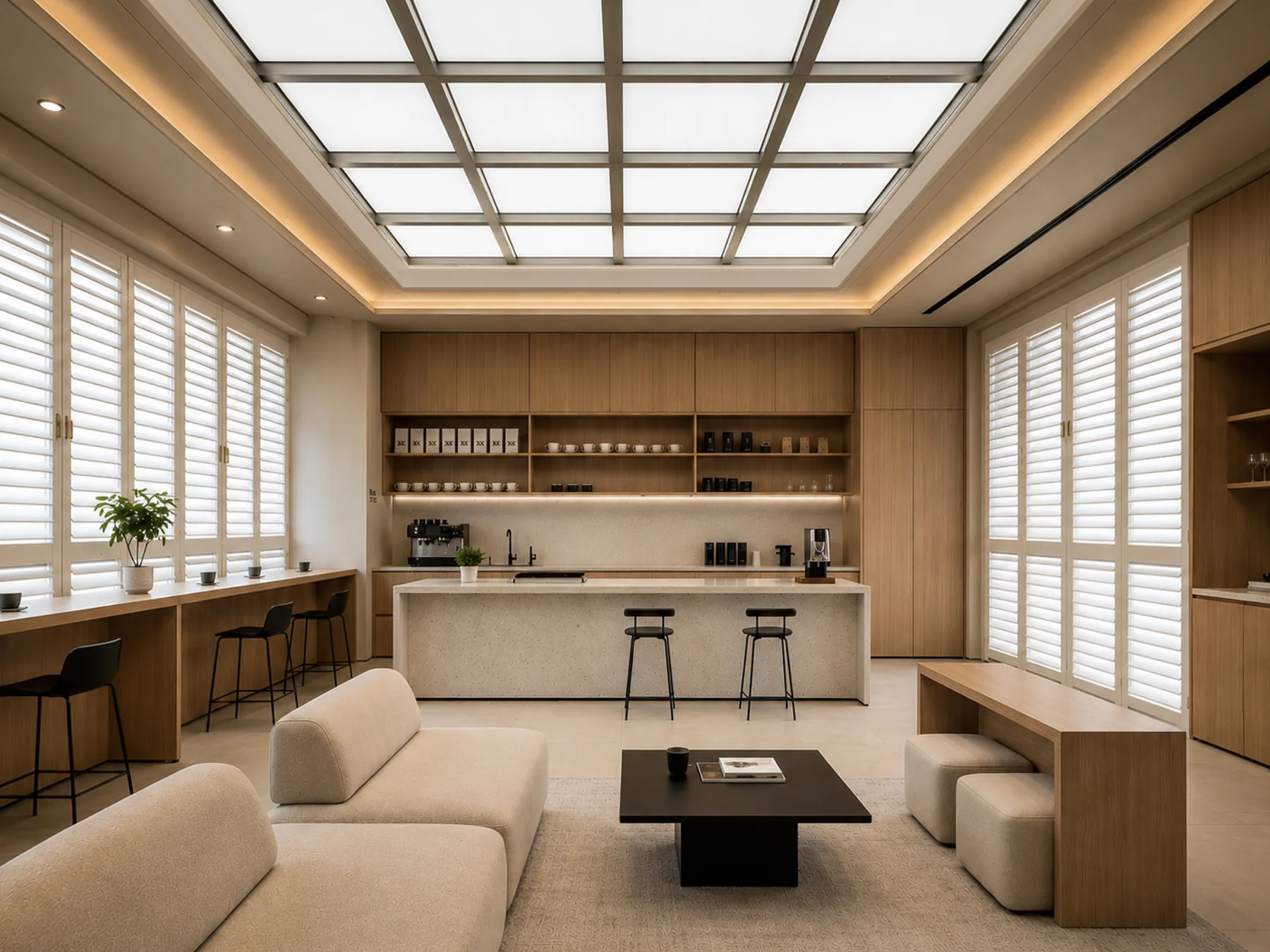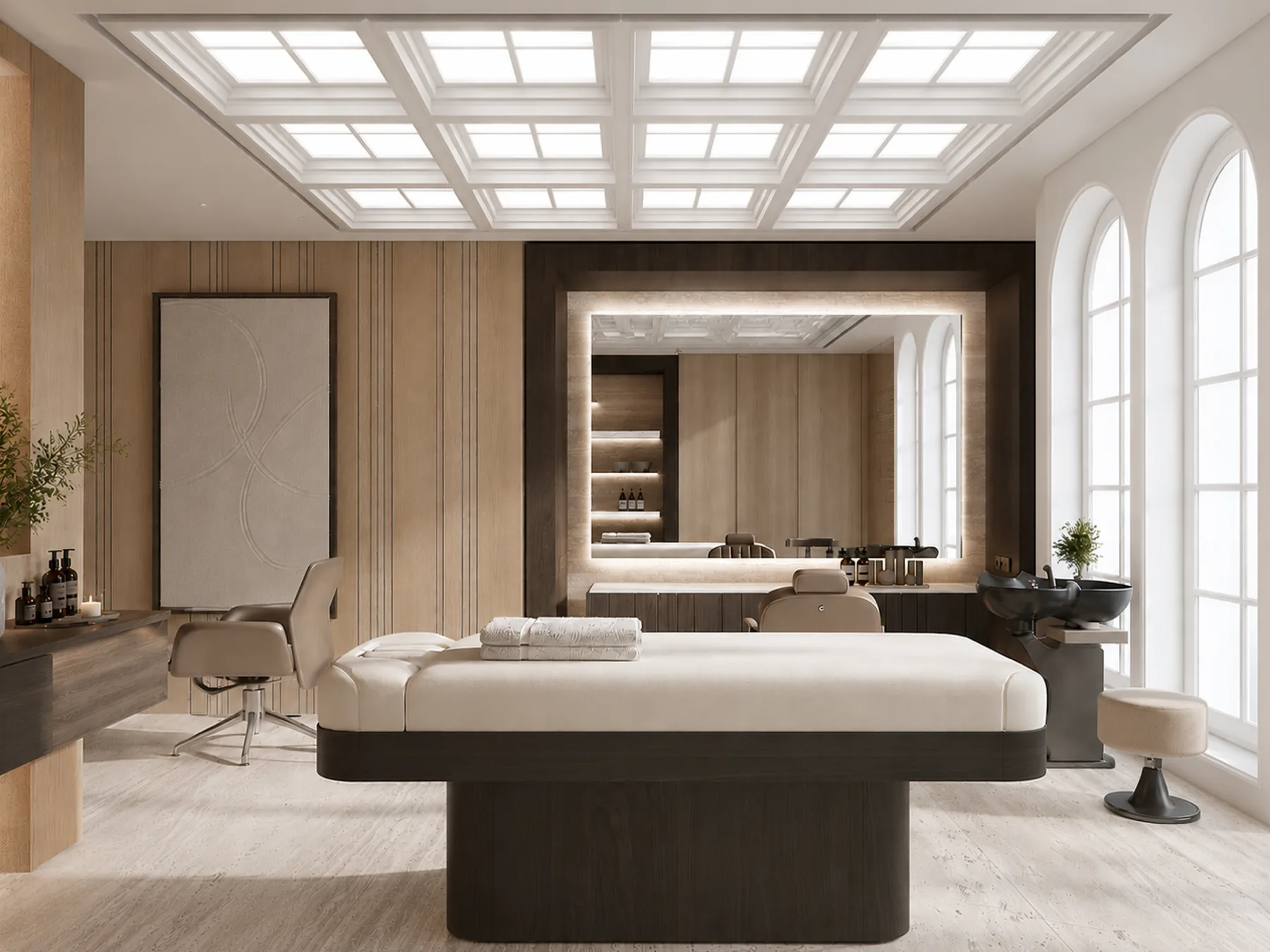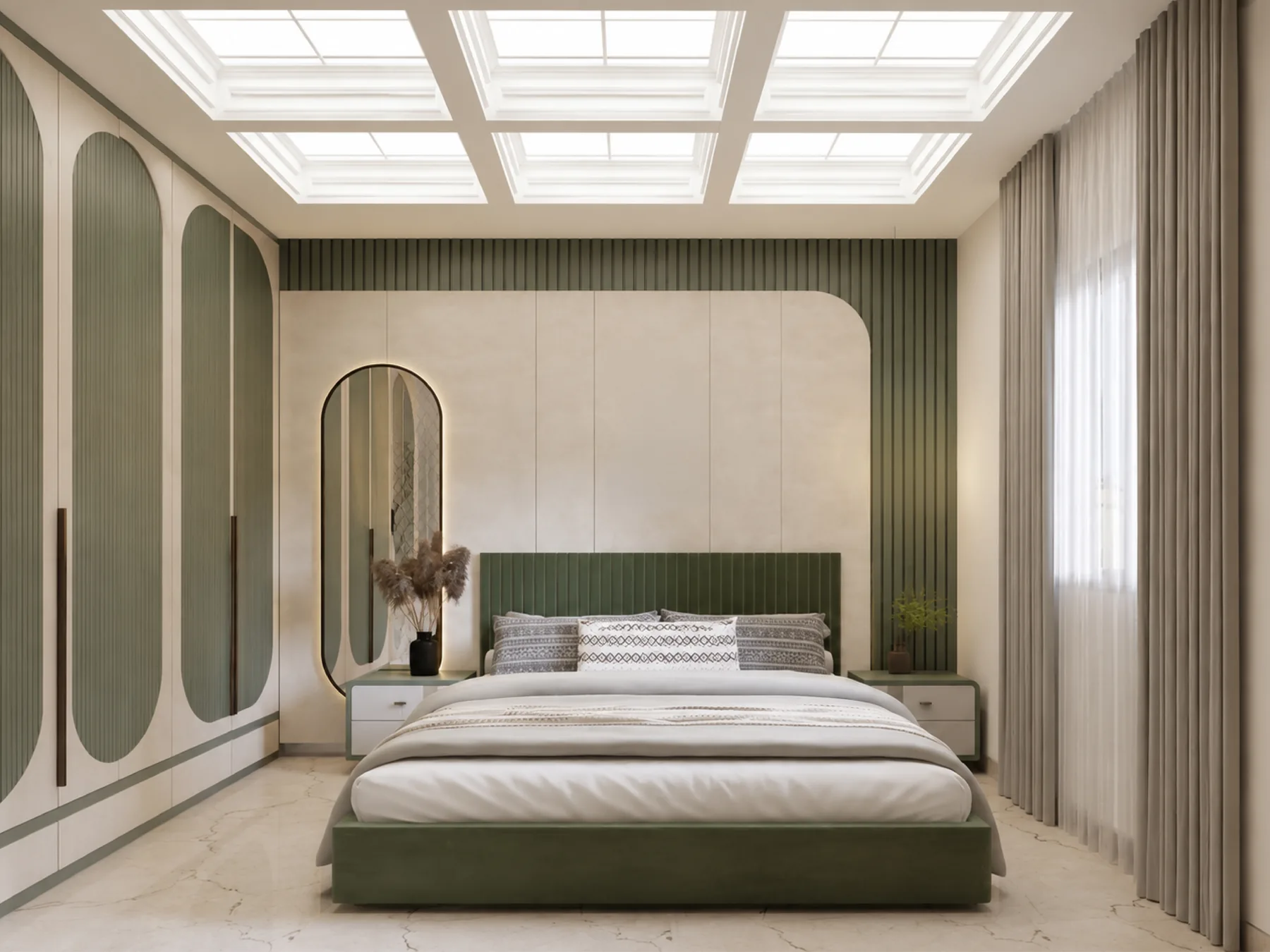

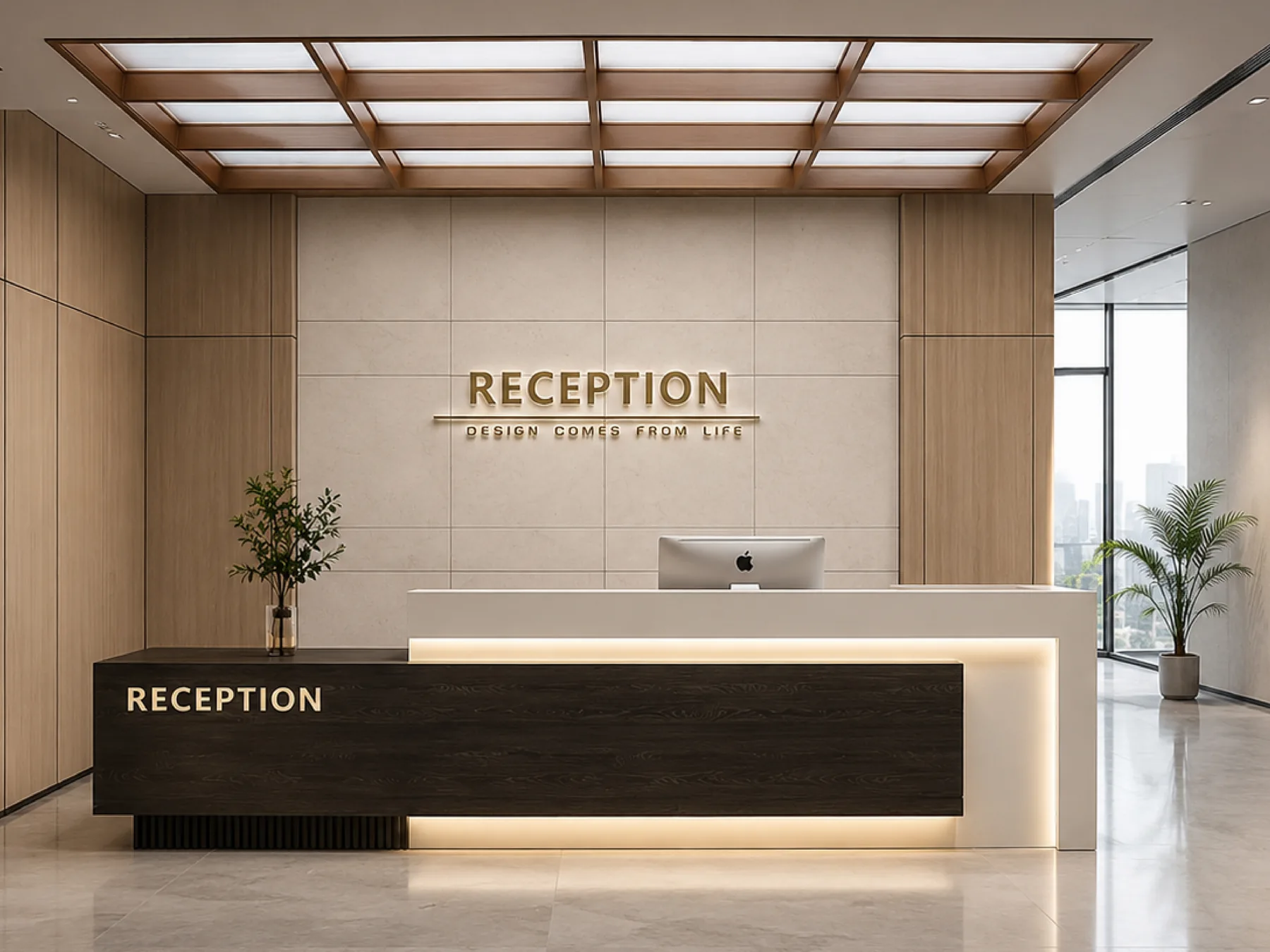
A real sky has depth, direction and graduated colour. Reproducing it indoors is an act of composition, not illumination.
Look up at an open sky and you are not seeing a flat, even glow. You are seeing depth, a subtle gradient from warm to cool, a sense of distance, a direction the light seems to come from. It is this quiet complexity that makes a sky feel infinite rather than lit.
Reproducing that indoors is the whole challenge. A backlit panel gives you brightness but flattens everything into a single surface; the eye is never fooled. An optical sky must recreate gradient, diffusion and apparent depth so convincingly that the ceiling seems to open rather than to shine.
When it works, the aesthetic reward is not a feature you point at but an atmosphere you feel. The room simply reads as larger, calmer and more alive, the architecture continuing upward into weather rather than stopping at plaster.
All insights